
Buy Provigil Online
Showing all 2 results
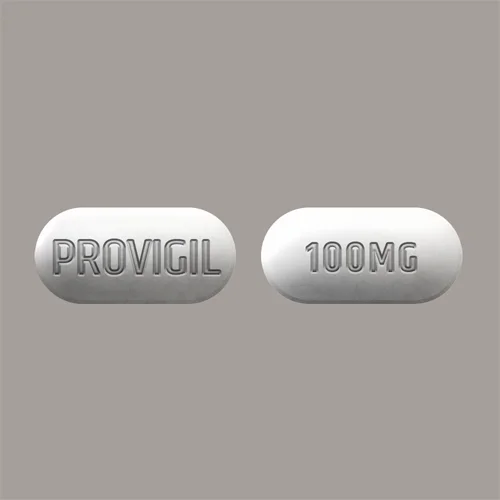
Provigil 100mg
$328.00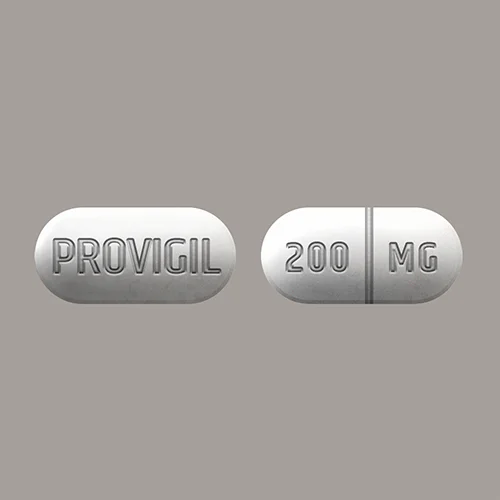
Provigil 200mg
$358.00Provigil (Modafinil): Uses, Benefits, Side Effects, Dosage & Safety Guide
Introduction
Provigil is the brand name for modafinil, a prescription wakefulness-promoting medication used to treat excessive daytime sleepiness caused by certain sleep disorders. It is commonly prescribed for adults with narcolepsy, obstructive sleep apnea (OSA), and shift work sleep disorder (SWSD) to help improve alertness and maintain wakefulness during the day.
Unlike traditional stimulant medications, Provigil works differently in the brain and is generally associated with a lower risk of dependence, although it still has the potential for misuse. In the United States, modafinil is classified as a Schedule IV controlled substance and should only be used under the supervision of a qualified healthcare provider.
Provigil does not cure sleep disorders or replace adequate sleep. Instead, it helps reduce excessive daytime sleepiness and is most effective when combined with appropriate treatment for the underlying condition, such as continuous positive airway pressure (CPAP) therapy for obstructive sleep apnea.
This guide explains what Provigil is, how it works, its approved medical uses, benefits, side effects, dosage considerations, safety precautions, and answers to frequently asked questions.
What Is Provigil?
Provigil contains the active ingredient modafinil, a medication that promotes wakefulness by affecting certain brain chemicals involved in the sleep-wake cycle.
Although its exact mechanism of action is not fully understood, modafinil is believed to influence neurotransmitters such as dopamine, norepinephrine, histamine, and orexin, helping improve alertness without producing the same effects as many traditional stimulants.
Provigil is available as an oral tablet and is also offered in generic modafinil formulations.
What Is Provigil Used For?
Provigil is FDA-approved to improve wakefulness in adults with:
Narcolepsy
Narcolepsy is a neurological disorder that causes:
- Excessive daytime sleepiness
- Sudden sleep attacks
- Difficulty staying awake during normal activities
Provigil helps many patients remain alert throughout the day.
Obstructive Sleep Apnea (OSA)
For patients with obstructive sleep apnea who continue to experience excessive sleepiness despite appropriate treatment, Provigil may help improve daytime alertness.
It is important to continue using prescribed treatments such as CPAP therapy, as Provigil does not treat the airway obstruction itself.
Shift Work Sleep Disorder (SWSD)
Provigil may help people who work overnight or rotating shifts stay awake during scheduled work hours and improve job performance.
How Does Provigil Work?
Modafinil affects several brain pathways involved in regulating wakefulness.
Its actions may help:
- Increase alertness
- Reduce daytime sleepiness
- Improve attention and concentration
- Enhance mental performance during waking hours
Unlike medications used to treat ADHD, Provigil is not approved for improving cognitive performance in healthy individuals.
Benefits of Provigil
When prescribed appropriately, Provigil may provide several benefits.
Potential benefits include:
- Improved daytime wakefulness
- Reduced excessive sleepiness
- Better concentration and focus
- Increased productivity during waking hours
- Improved quality of life for people with sleep disorders
- Better ability to perform work and daily activities
Results vary depending on the underlying condition and individual response to treatment.
How to Take Provigil
Always take Provigil exactly as prescribed.
General recommendations include:
- Take the medication at the same time each day.
- For narcolepsy or obstructive sleep apnea, it is usually taken in the morning.
- For shift work sleep disorder, it is often taken about one hour before the work shift begins.
- Swallow the tablet whole with water.
- Never increase your dose without medical advice.
Regular follow-up appointments help ensure the medication remains safe and effective.
Common Side Effects
Like all medications, Provigil may cause side effects.
Common side effects include:
- Headache
- Nausea
- Nervousness
- Anxiety
- Difficulty sleeping (insomnia)
- Dizziness
- Dry mouth
- Loss of appetite
Many mild side effects improve as your body adjusts to treatment.
Serious Side Effects
Seek immediate medical attention if you experience:
- Severe skin rash or blistering
- Swelling of the face, lips, or throat
- Difficulty breathing
- Chest pain
- Irregular heartbeat
- Hallucinations
- Severe mood changes
- Suicidal thoughts
Although rare, serious allergic and skin reactions require immediate medical care.
Dependence and Misuse Potential
Provigil has a lower potential for abuse than many stimulant medications, but misuse can still occur.
Potential risks include:
- Psychological dependence
- Misuse
- Taking higher doses than prescribed
Always use Provigil only as directed by your healthcare provider and never share your medication with others.
Drug Interactions
Provigil may interact with several medications.
Examples include:
- Hormonal birth control pills (may become less effective)
- Certain antidepressants
- Blood thinners such as warfarin
- Some seizure medications
- Certain antifungal medications
- Cyclosporine
Tell your healthcare provider about all prescription medications, over-the-counter medicines, vitamins, and supplements you take.
Who Should Use Extra Caution?
Healthcare providers may recommend additional monitoring if you have:
- Heart disease
- High blood pressure
- Liver disease
- Kidney disease
- Mental health conditions
- History of substance use disorder
- Pregnancy or breastfeeding concerns
Treatment decisions should always be individualized based on your medical history.
Older Adults
Older adults may be more sensitive to the effects of Provigil.
Healthcare providers may:
- Start with lower doses
- Monitor for side effects more closely
- Assess potential medication interactions regularly
Treatment plans should be tailored to each individual’s health needs.
Lifestyle Tips During Treatment
To help improve treatment success:
- Maintain a regular sleep schedule whenever possible.
- Continue CPAP therapy if prescribed for obstructive sleep apnea.
- Avoid taking the medication late in the day unless instructed otherwise.
- Limit caffeine if it increases nervousness or insomnia.
- Keep all scheduled follow-up appointments.
- Report new or worsening symptoms to your healthcare provider.
Frequently Asked Questions
Is Provigil the same as modafinil?
Yes. Provigil® is the brand name for modafinil. Generic versions are also available.
Is Provigil a stimulant?
Provigil promotes wakefulness but works differently from traditional stimulant medications such as amphetamines. It is classified as a wakefulness-promoting agent.
Can Provigil treat ADHD?
Modafinil is not FDA-approved for ADHD, although healthcare providers may sometimes prescribe it off-label in selected situations.
Can I drink alcohol while taking Provigil?
Alcohol may affect alertness and increase certain side effects. Discuss alcohol use with your healthcare provider.
Does Provigil replace sleep?
No. Provigil does not replace adequate sleep or cure sleep disorders. It helps improve wakefulness while the underlying condition is being managed.
Can older adults use Provigil?
Yes. Many older adults can use Provigil safely, although careful monitoring and possible dose adjustments may be recommended.
When to Contact Your Healthcare Provider
Contact your healthcare provider if you experience:
- Chest pain
- Severe anxiety
- Persistent insomnia
- Allergic reactions
- Severe skin rash
- Mood changes
- Any unexpected or serious side effects
Routine medical follow-up helps ensure treatment remains safe and effective.
Final Thoughts
Provigil (modafinil) is a prescription wakefulness-promoting medication used to help adults with narcolepsy, obstructive sleep apnea, and shift work sleep disorder stay awake and alert during the day. When taken as directed, it can significantly improve daytime functioning, concentration, and overall quality of life.
Although Provigil generally has a lower risk of misuse than traditional stimulants, it should still be used only under the supervision of a qualified healthcare provider. Following your treatment plan, maintaining healthy sleep habits, and attending regular medical appointments are essential for achieving the best possible results while minimizing potential risks.