
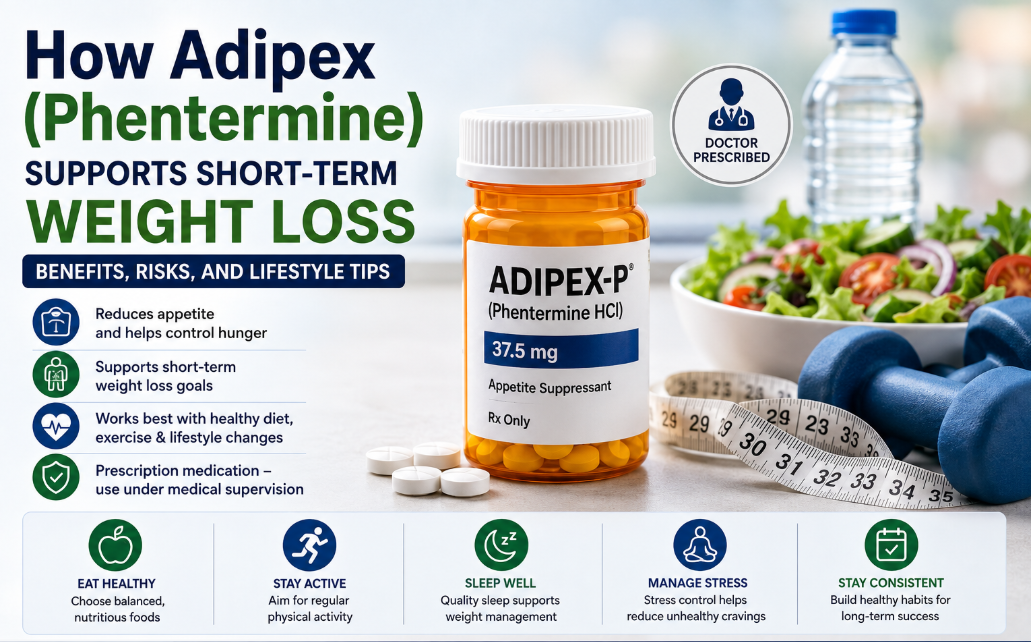
Losing weight can be challenging, especially for adults living with obesity or overweight who have not achieved their health goals through diet and exercise alone. For some eligible individuals, healthcare providers may recommend prescription medications to support a medically supervised weight management plan. One of the most commonly prescribed options in the United States is Adipex-P® (phentermine), a prescription appetite suppressant designed to help reduce hunger and support short-term weight loss.
In the U.S., many people simply refer to this medication as Adipex, Adipex-P, phentermine, or a prescription weight loss pill. Healthcare providers and pharmacies most commonly use the generic name phentermine, while patients may also hear terms such as diet pill, appetite suppressant, or weight management medication. Although these names are often used interchangeably, the medication should only be taken under the supervision of a qualified healthcare provider.
Adipex is not a miracle solution or a substitute for healthy living. Instead, it is intended to be part of a comprehensive treatment program that includes balanced nutrition, regular physical activity, behavior modification, and ongoing medical monitoring. When used appropriately, it may help eligible adults reduce calorie intake by decreasing appetite, making it easier to follow a structured weight-loss plan.
This guide explains how Adipex works, who may benefit from treatment, expected results, potential risks and side effects, and the lifestyle habits that contribute to long-term weight management success.
What Is Adipex (Phentermine)?
Adipex-P is the brand name for phentermine, a prescription medication classified as a sympathomimetic amine appetite suppressant. It works by stimulating the central nervous system and influencing brain chemicals involved in hunger and appetite regulation.
Common U.S. Names for Adipex
Depending on the healthcare provider, pharmacy, or patient, Adipex may be referred to as:
- Adipex-P®
- Phentermine
- Prescription weight loss medication
- Prescription appetite suppressant
- Weight loss pill
- Diet pill (consumer term)
- Weight management medication
- Phentermine tablets
- Lomaira®
- Suprenza®
These terms are commonly used across the United States, although the exact product prescribed depends on the patient’s treatment plan and healthcare provider’s recommendation.
How Does Adipex Help Reduce Appetite?
Adipex works by increasing the activity of certain neurotransmitters within the brain, particularly norepinephrine. These changes help regulate appetite and may reduce feelings of hunger between meals.
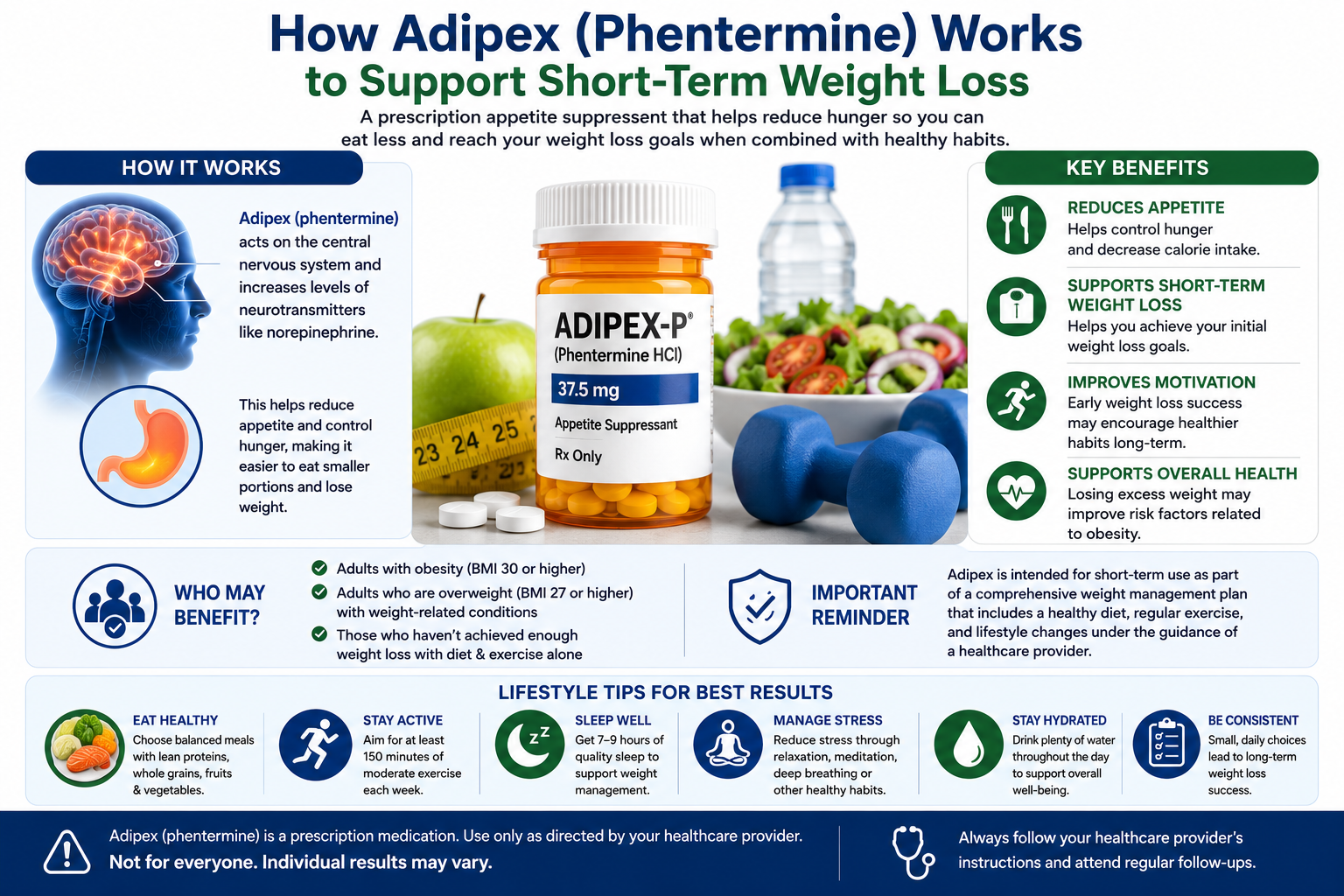
For many eligible patients, this can make it easier to:
- Eat smaller portions
- Reduce snacking
- Control food cravings
- Follow a calorie-controlled eating plan
- Stay committed to weight-loss goals
It is important to understand that Adipex does not directly burn body fat or permanently increase metabolism. Weight loss occurs because the medication helps reduce calorie intake while healthy lifestyle changes support overall energy balance.
Who May Benefit from Adipex?
Adipex is not appropriate for everyone. Healthcare providers evaluate several factors before prescribing the medication.
Adults who may be considered for treatment often include those who:
- Have obesity based on Body Mass Index (BMI)
- Are overweight with weight-related medical conditions
- Have not achieved sufficient weight loss through lifestyle changes alone
- Are willing to participate in a medically supervised weight management program
Weight-related health conditions may include:
- High blood pressure
- Type 2 diabetes
- High cholesterol
- Sleep apnea
- Increased cardiovascular risk
Only a licensed healthcare provider can determine whether Adipex is an appropriate treatment option.
Expected Benefits of Adipex
When combined with healthy lifestyle changes, Adipex may help eligible patients achieve meaningful short-term weight loss.
Reduced Appetite
The primary benefit of Adipex is decreasing hunger, making it easier to consume fewer calories throughout the day.
Better Portion Control
Patients often report feeling satisfied with smaller meals, which can support healthier eating habits.
Support for Early Weight Loss
Many individuals experience gradual weight loss when combining Adipex with balanced nutrition and regular physical activity.
Increased Motivation
Seeing early progress may encourage patients to continue making healthier food choices and maintaining an active lifestyle.
Improved Overall Health
For some individuals, medically supervised weight loss may contribute to improvements in obesity-related health risks, including blood pressure, blood sugar control, and mobility.
What Should You Expect During Treatment?
Every patient’s experience is different. Weight-loss results depend on several factors, including:
- Starting body weight
- Daily calorie intake
- Physical activity level
- Sleep quality
- Medical conditions
- Consistency with lifestyle changes
- Individual response to medication
Healthcare providers generally emphasize gradual, sustainable weight loss rather than rapid changes. They may also recommend working with a registered dietitian or participating in a structured weight management program.
Patients should understand that Adipex is intended to support healthy habits—not replace them.
Why Healthy Lifestyle Changes Matter
Prescription medication alone is unlikely to produce long-term success. Healthy daily habits are essential for achieving and maintaining weight-loss goals.
Your healthcare provider may recommend:
- Eating a balanced, calorie-controlled diet
- Choosing fruits, vegetables, lean proteins, and whole grains
- Drinking plenty of water
- Limiting sugary beverages and highly processed foods
- Exercising regularly
- Getting adequate sleep
- Managing stress
- Keeping regular follow-up appointments
Developing these habits during treatment can make it easier to maintain results after medication is discontinued.
Common Side Effects of Adipex (Phentermine)
Like all prescription medications, Adipex-P (phentermine) may cause side effects. Many patients tolerate the medication well, while others experience mild symptoms that often improve as the body adjusts to treatment. Your healthcare provider will explain what to expect and how to manage common side effects safely.
Some of the most frequently reported side effects include:
- Dry mouth
- Decreased appetite
- Difficulty sleeping (insomnia)
- Increased heart rate
- Mild increase in blood pressure
- Nervousness or restlessness
- Headache
- Dizziness
- Constipation
- Nausea
- Irritability
- Increased energy
Taking Adipex earlier in the day, staying well hydrated, and following your healthcare provider’s instructions may help reduce some side effects, particularly insomnia.
Serious Risks and When to Seek Medical Care
Although uncommon, some side effects require immediate medical attention.
Contact emergency medical services or seek urgent care if you experience:
- Chest pain
- Difficulty breathing
- Severe shortness of breath
- Fainting
- Rapid or irregular heartbeat
- Severe dizziness
- Swelling of the face, lips, tongue, or throat
- Vision changes
- Severe allergic reaction
- Confusion or unusual behavior
Prompt medical evaluation is important if any serious symptoms develop while taking Adipex.
General Dosage Guidance
The appropriate dose of Adipex depends on several individual factors, including:
- Current body weight
- Overall health
- Medical history
- Other medications
- Response to treatment
Healthcare providers generally begin with the lowest effective dose and monitor progress throughout treatment.
Safe Medication Practices
To help reduce risks:
- Take Adipex exactly as prescribed.
- Do not increase your dose without medical advice.
- Do not take extra doses to lose weight faster.
- Never share your medication with another person.
- Store the medication securely and out of the reach of children.
Adipex is designed for short-term use as determined by your healthcare provider.
Treatment Monitoring
Regular follow-up appointments help ensure that Adipex remains both safe and effective throughout treatment.
During routine visits, your healthcare provider may monitor:
- Weight loss progress
- Blood pressure
- Heart rate
- Overall health
- Medication effectiveness
- Side effects
- Eating habits
- Physical activity
- Progress toward weight-loss goals
Monitoring allows healthcare providers to determine whether treatment should continue, be adjusted, or be discontinued.
Who Should Avoid Adipex?
Adipex may not be appropriate for everyone. Before starting treatment, your healthcare provider will review your complete medical history.
People who may require an alternative treatment include those with:
- Serious heart disease
- Uncontrolled high blood pressure
- Hyperthyroidism
- Glaucoma
- Pregnancy
- Allergy to phentermine
- Recent use of monoamine oxidase inhibitors (MAOIs)
Always discuss your medical history and current medications with your healthcare provider before starting Adipex.
Drug Interactions
Adipex may interact with several medications, supplements, and herbal products.
Examples include:
- MAOI antidepressants
- Certain antidepressants
- Blood pressure medications
- Other stimulant medications
- Weight loss medications
- Cold and allergy medicines containing stimulants
- Diabetes medications
- Alcohol
Providing your healthcare provider with a complete list of prescription medications, over-the-counter medicines, vitamins, and supplements helps reduce the risk of potentially harmful interactions.
Pregnancy and Breastfeeding
Adipex is generally not recommended during pregnancy because weight-loss medications are not intended for use while pregnant.
If you are:
- Pregnant
- Planning to become pregnant
- Breastfeeding
Talk with your healthcare provider before starting or continuing Adipex treatment.
If pregnancy occurs while taking Adipex, contact your healthcare provider promptly.
Healthy Eating Tips While Taking Adipex
Although Adipex helps reduce appetite, healthy food choices remain essential for long-term success.
Focus on nutrient-rich foods such as:
Lean Proteins
- Chicken
- Turkey
- Fish
- Eggs
- Beans
Fruits and Vegetables
Aim to include colorful fruits and vegetables with every meal to increase fiber, vitamins, and minerals.
Whole Grains
Examples include:
- Brown rice
- Oatmeal
- Whole wheat bread
- Quinoa
Healthy Fats
Choose foods such as:
- Avocados
- Nuts
- Seeds
- Olive oil
Limiting sugary beverages, highly processed snacks, and excessive fast food can help support healthier weight management.
Exercise and Physical Activity
Medication works best when combined with regular movement.
Healthcare providers often recommend activities such as:
- Walking
- Swimming
- Cycling
- Strength training
- Yoga
- Low-impact aerobics
Even moderate daily activity may improve weight-loss outcomes while supporting heart health and overall well-being.
Always choose an exercise program appropriate for your fitness level and medical condition.
Sleep and Weight Management
Quality sleep plays an important role in maintaining a healthy weight.
Poor sleep may:
- Increase hunger hormones
- Reduce energy levels
- Increase food cravings
- Make healthy choices more difficult
Helpful sleep habits include:
- Going to bed at the same time every night.
- Limiting screen time before bedtime.
- Avoiding caffeine late in the day.
- Creating a quiet, comfortable sleep environment.
Because Adipex is a stimulant, taking it too late in the day may interfere with sleep.
Building Long-Term Healthy Habits
Adipex is only one part of a comprehensive weight-management program.
Long-term success often depends on:
- Meal planning
- Portion control
- Staying hydrated
- Managing stress
- Regular physical activity
- Consistent sleep
- Tracking progress
- Attending healthcare appointments
Developing sustainable habits while taking Adipex can make it easier to maintain weight-loss results after treatment ends.
Adipex vs. Other Phentermine Medications
Several prescription medications contain phentermine, but they differ in formulation, dosage strength, and delivery method. Your healthcare provider will recommend the most appropriate option based on your health history and weight management goals.
| Medication | Generic Name | Common U.S. Name | Primary Use |
|---|---|---|---|
| Adipex-P® | Phentermine | Adipex | Short-term weight management |
| Lomaira® | Phentermine | Lomaira | Lower-dose appetite suppressant |
| Suprenza® | Phentermine | Suprenza | Orally disintegrating weight-loss tablet |
| Phentermine (Generic) | Phentermine HCl | Phentermine tablets | Prescription weight-loss medication |
In the United States, Adipex-P and generic phentermine are the names most commonly recognized by healthcare providers, pharmacies, and patients.
Long-Term Weight Management After Adipex
Adipex is designed to support short-term weight loss, but maintaining a healthy weight requires ongoing lifestyle changes after treatment ends.
Long-term success depends on building habits that are sustainable, including:
- Eating balanced meals with appropriate portion sizes
- Exercising regularly
- Staying hydrated
- Monitoring body weight
- Managing stress
- Sleeping 7–9 hours per night
- Attending regular healthcare appointments
- Continuing healthy eating habits
Medication can help patients begin their weight-loss journey, but healthy daily choices are the foundation of lasting results.
Tips for Maintaining Weight Loss
Many people regain weight after stopping weight-loss medication if healthy habits are not maintained. Consider these strategies:
Continue Healthy Eating
Choose meals rich in:
- Vegetables
- Fruits
- Lean proteins
- Whole grains
- Healthy fats
Reduce highly processed foods, sugary drinks, and excessive fast food.
Stay Active
Aim for regular physical activity such as:
- Walking
- Cycling
- Swimming
- Strength training
- Yoga
- Low-impact aerobic exercise
Consistency is often more important than intensity.
Monitor Your Progress
Tracking your progress may help you stay motivated.
Consider monitoring:
- Body weight
- Waist circumference
- Daily physical activity
- Water intake
- Healthy eating habits
Your healthcare provider can help determine appropriate health goals.
Frequently Asked Questions (FAQs)
1. What is Adipex used for?
Adipex-P (phentermine) is a prescription appetite suppressant used to support short-term weight management in eligible adults with obesity or overweight when combined with diet, exercise, and lifestyle changes.
2. How does Adipex reduce appetite?
Adipex affects certain brain chemicals involved in hunger regulation, helping many patients feel less hungry and making it easier to follow a reduced-calorie eating plan.
3. Is Adipex the same as phentermine?
Yes. Phentermine is the generic name, while Adipex-P is one of the most recognized U.S. brand names.
4. How long is Adipex usually prescribed?
Adipex is generally intended for short-term use. Your healthcare provider will determine the appropriate duration based on your health status and treatment progress.
5. Can Adipex work without diet and exercise?
Adipex is intended to be used alongside a healthy diet, regular physical activity, and lifestyle modifications. Medication alone is unlikely to provide lasting weight-management results.
6. What are the most common side effects?
Common side effects may include:
- Dry mouth
- Difficulty sleeping
- Headache
- Nervousness
- Increased heart rate
- Constipation
- Reduced appetite
Speak with your healthcare provider if side effects become severe or persistent.
7. Is Adipex safe?
When prescribed appropriately and monitored by a qualified healthcare provider, Adipex can be an effective treatment option for eligible adults. It should always be used exactly as directed.
8. Can I exercise while taking Adipex?
Yes. Regular physical activity is an important part of a comprehensive weight-management program. Your healthcare provider can recommend an exercise plan appropriate for your needs.
9. What happens after stopping Adipex?
After treatment ends, maintaining healthy eating habits, regular exercise, adequate sleep, and ongoing lifestyle changes can help support long-term weight management.
10. Why are regular follow-up appointments important?
Routine visits allow healthcare providers to monitor:
- Weight-loss progress
- Blood pressure
- Heart rate
- Medication effectiveness
- Side effects
- Overall health
These appointments help ensure treatment remains safe and effective.
Key Safety Reminders
To help use Adipex safely:
- Take the medication exactly as prescribed.
- Never increase your dose without medical advice.
- Avoid sharing your prescription with others.
- Inform your healthcare provider about all medications and supplements you use.
- Follow your recommended nutrition and exercise plan.
- Attend all scheduled follow-up appointments.
- Store the medication safely and out of the reach of children.
Conclusion
Adipex-P (phentermine) is a prescription appetite suppressant that can help eligible adults achieve short-term weight loss when used as part of a medically supervised weight-management program. By helping reduce hunger and supporting adherence to a calorie-controlled eating plan, it may make it easier to begin a healthier lifestyle.
However, Adipex is not a standalone solution. The best outcomes are achieved when medication is combined with balanced nutrition, regular physical activity, quality sleep, stress management, and ongoing support from a qualified healthcare provider. Regular monitoring also helps ensure the medication is used safely and effectively.
If you are considering Adipex for weight management, speak with your healthcare provider to determine whether it is appropriate for your individual health needs. Building sustainable habits today can help support healthier outcomes for years to come.