
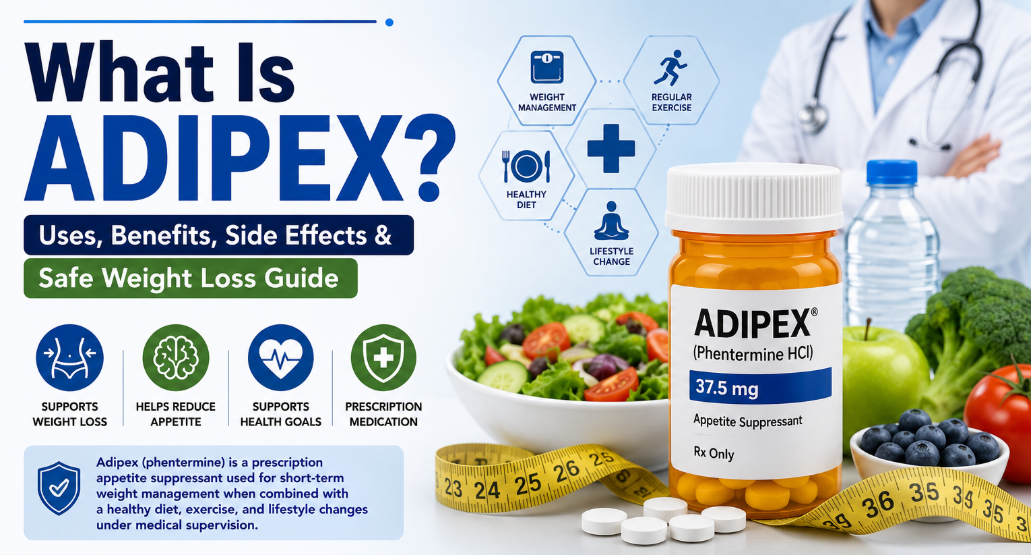
Maintaining a healthy weight can be challenging for many people, especially when diet and exercise alone do not produce the desired results. For some adults living with obesity or weight-related health conditions, healthcare providers may recommend prescription medications as part of a comprehensive weight management plan. One such medication is Adipex, a brand name for phentermine, a prescription appetite suppressant approved for short-term weight management.
Adipex works by reducing appetite, helping eligible patients consume fewer calories while following a healthy eating plan and regular exercise routine. It is not intended to replace healthy lifestyle habits but to support them under the supervision of a qualified healthcare provider.
Like all prescription medications, Adipex offers potential benefits as well as possible risks and side effects. Understanding how it works, who it is intended for, and how to use it safely can help patients make informed decisions about their weight management journey.
In this guide, we’ll explain what Adipex is, how it works, its approved uses, expected benefits, possible side effects, dosage information, safety precautions, and lifestyle strategies that support healthy, sustainable weight loss.
What Is Adipex?
Adipex is the brand name for phentermine, a prescription medication classified as a sympathomimetic amine and commonly referred to as an appetite suppressant. It belongs to a group of medications that stimulate the central nervous system and help reduce hunger.
Healthcare providers prescribe Adipex as part of a short-term weight management program for eligible adults who have not achieved sufficient weight loss through diet and physical activity alone.
Adipex is most effective when combined with:
- A reduced-calorie eating plan
- Regular physical activity
- Healthy lifestyle habits
- Ongoing medical supervision
It is important to remember that Adipex is not a stand-alone weight loss solution. Long-term success depends on adopting healthy behaviors that can be maintained after treatment ends.
Active Ingredient: Phentermine
The active ingredient in Adipex is phentermine, which has been used for many years as part of medically supervised weight management programs.
Other prescription products containing phentermine include:
- Lomaira
- Suprenza
- Fastin (availability may vary)
Although these medications contain the same or similar active ingredient, they may differ in dosage forms, strengths, or prescribing recommendations. Patients should only take the medication specifically prescribed for them.
How Does Adipex Work?
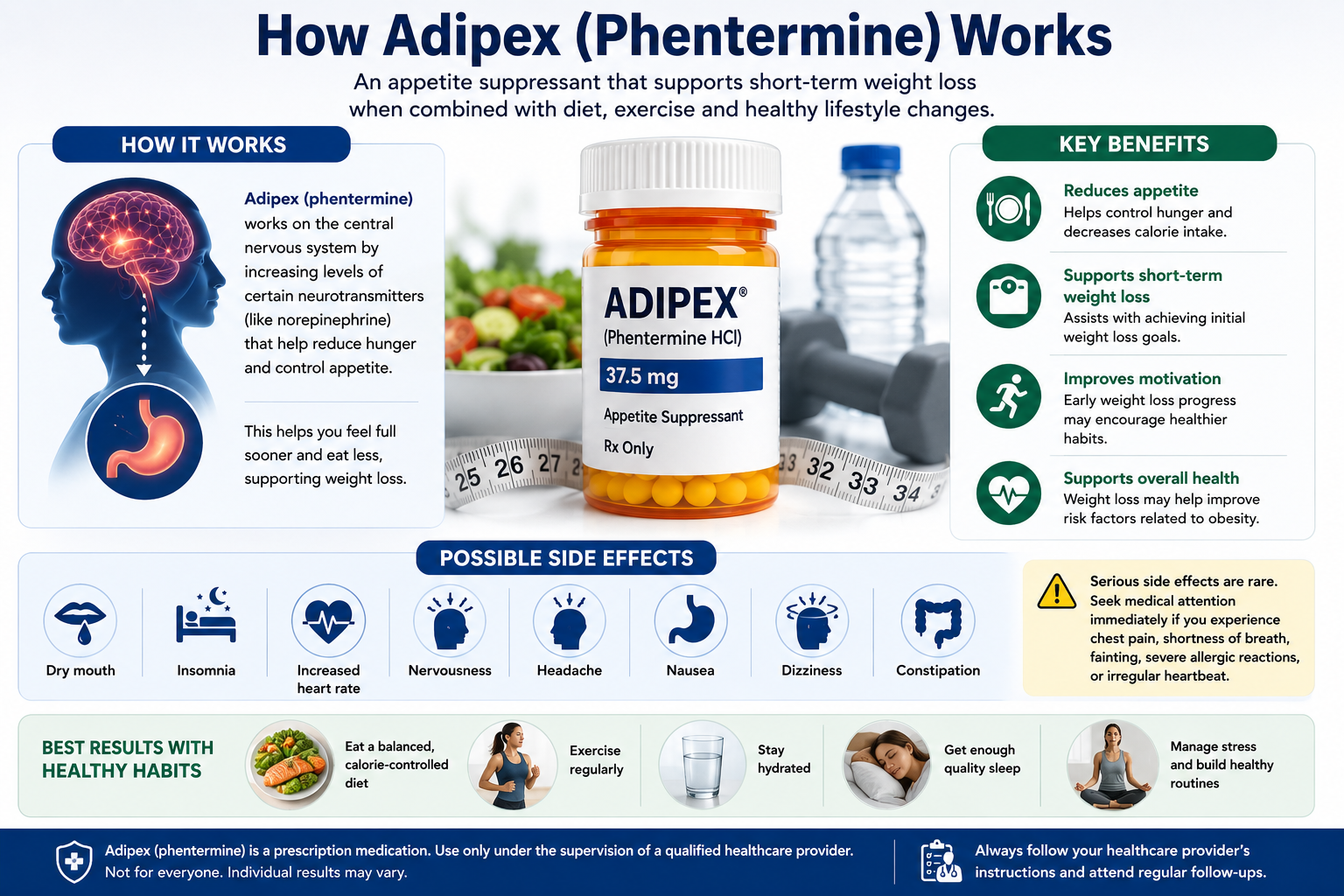
Adipex works primarily by affecting certain chemicals in the brain that influence appetite and hunger.
The medication increases the activity of neurotransmitters such as:
- Norepinephrine
- Dopamine (to a lesser extent)
- Other signaling pathways involved in appetite regulation
These effects may help patients:
- Feel full sooner
- Experience less hunger between meals
- Reduce food cravings
- Consume fewer calories
- Stay committed to a calorie-controlled eating plan
By decreasing appetite, Adipex can support weight loss efforts when paired with healthy nutrition and regular exercise.
It is important to understand that Adipex does not burn fat directly or permanently change metabolism. Instead, it helps reduce calorie intake by making it easier for eligible patients to follow a medically recommended diet.
Approved Medical Uses of Adipex
Healthcare providers prescribe Adipex for specific medical purposes after evaluating a patient’s overall health, body weight, and medical history.
Short-Term Weight Management
The primary approved use of Adipex is to assist with short-term weight loss in adults with obesity or adults who are overweight and have weight-related health conditions.
Healthcare providers may recommend Adipex as part of a comprehensive program that includes:
- Nutrition counseling
- Physical activity
- Behavioral changes
- Ongoing medical monitoring
Treatment is generally intended for short-term use, as determined by the prescribing healthcare provider.
Who May Benefit From Adipex?
Healthcare providers determine eligibility based on several factors, including:
- Body Mass Index (BMI)
- Overall health
- Medical history
- Weight-related conditions
- Previous weight loss efforts
Some individuals may qualify if they have obesity or are overweight with certain health conditions such as high blood pressure, type 2 diabetes, or other obesity-related complications. Eligibility should always be determined by a qualified healthcare provider.
Benefits of Adipex
When prescribed appropriately and combined with healthy lifestyle changes, Adipex may offer several benefits for eligible patients.
Reduced Appetite
One of the primary benefits of Adipex is helping reduce feelings of hunger, making it easier for patients to follow a calorie-controlled eating plan.
Improved Portion Control
Many patients find it easier to manage portion sizes because they feel satisfied with smaller meals.
Support for Weight Loss Goals
Adipex may help patients achieve meaningful short-term weight loss when used alongside healthy eating and regular physical activity.
Increased Motivation
Early progress with weight management may encourage some patients to continue making healthier food choices and maintaining an active lifestyle.
Better Management of Weight-Related Health Risks
For some individuals, gradual weight loss may contribute to improvements in overall health when combined with ongoing medical care and lifestyle modifications. Healthcare providers can help monitor these changes over time.
Why Lifestyle Changes Are Essential
Adipex works best when used as one part of a comprehensive weight management program.
Healthy habits that support long-term success include:
- Eating balanced, nutrient-rich meals
- Reducing excess calories
- Drinking enough water
- Exercising regularly
- Getting adequate sleep
- Managing stress
- Attending regular medical follow-up appointments
These habits can continue supporting healthy weight management even after medication is discontinued.
Is Adipex a Long-Term Weight Loss Medication?
Adipex is generally prescribed for short-term use. The duration of treatment depends on each patient’s response, overall health, and healthcare provider’s recommendations.
Long-term weight management relies primarily on sustainable lifestyle changes rather than medication alone. Healthcare providers regularly evaluate whether continuing treatment remains appropriate based on individual progress and health goals.
Common Side Effects of Adipex
Like all prescription medications, Adipex (phentermine) may cause side effects. Many people tolerate the medication well, while others may experience mild effects, particularly during the first few days of treatment. These symptoms often improve as the body adjusts, but any persistent or bothersome side effects should be discussed with your healthcare provider.
Some of the most common side effects include:
- Dry mouth
- Decreased appetite
- Difficulty sleeping (insomnia)
- Increased heart rate
- Mild increase in blood pressure
- Nervousness or restlessness
- Headache
- Dizziness
- Constipation
- Nausea
- Irritability
- Increased energy levels
Taking Adipex early in the day, staying hydrated, and following your healthcare provider’s instructions may help reduce certain side effects, such as difficulty sleeping.
Serious Side Effects
Although uncommon, Adipex may cause serious side effects that require immediate medical attention.
Seek emergency medical care if you experience:
- Chest pain
- Shortness of breath
- Fainting
- Irregular or rapid heartbeat
- Severe dizziness
- Swelling of the face, lips, tongue, or throat
- Difficulty breathing
- Severe allergic reactions
- Sudden changes in vision
- Severe mood or behavioral changes
Prompt medical evaluation is important if any severe or unusual symptoms occur.
General Dosage Guidance
The appropriate dose of Adipex varies depending on an individual’s medical history, body weight, treatment goals, and response to therapy.
Healthcare providers generally:
- Evaluate overall health before prescribing.
- Select an appropriate starting dose.
- Monitor progress throughout treatment.
- Make adjustments only when medically necessary.
Because Adipex is intended for short-term use, patients should take it exactly as prescribed and avoid taking more than the recommended amount.
Never:
- Increase your dose without medical advice.
- Take extra doses to speed up weight loss.
- Share your medication with anyone else.
- Continue treatment beyond the prescribed duration without consulting your healthcare provider.
How to Take Adipex Safely
Using Adipex correctly helps improve treatment effectiveness while reducing potential risks.
General recommendations include:
- Take the medication exactly as prescribed.
- Take it at the same time each day, if directed.
- Avoid taking it late in the day, as it may interfere with sleep.
- Follow your recommended meal and exercise plan.
- Attend all scheduled follow-up appointments.
If you miss a dose, follow your healthcare provider’s instructions. Do not double your next dose to make up for a missed one.
Safety Precautions Before Taking Adipex
Before starting Adipex, tell your healthcare provider about your complete medical history and any medications or supplements you take.
Important conditions to discuss include:
- Heart disease
- High blood pressure
- Irregular heartbeat
- Stroke history
- Hyperthyroidism
- Glaucoma
- Diabetes
- Kidney disease
- Liver disease
- Anxiety disorders
- Depression
- History of substance use disorder
- Allergies to medications
Your healthcare provider will determine whether Adipex is an appropriate treatment option based on your individual health profile.
Drug Interactions
Adipex may interact with certain medications, supplements, or herbal products, increasing the risk of side effects or reducing treatment effectiveness.
Potential interactions include:
- Monoamine oxidase inhibitors (MAOIs)
- Certain antidepressants
- Blood pressure medications
- Other stimulant medications
- Weight loss medications
- Decongestants
- Diabetes medications
- Alcohol
Always provide your healthcare provider and pharmacist with a complete list of everything you take before starting Adipex.
Who Should Not Take Adipex?
Adipex may not be suitable for everyone. Your healthcare provider will carefully review your medical history before prescribing it.
People who may require alternative treatment options include those with:
- Serious cardiovascular disease
- Uncontrolled high blood pressure
- Hyperthyroidism
- Glaucoma
- Pregnancy
- Known allergy to phentermine or related medications
- Recent use of MAOI medications
Only a qualified healthcare provider can determine whether Adipex is appropriate for your individual situation.
Pregnancy and Breastfeeding
If you are pregnant, planning to become pregnant, or breastfeeding, discuss your treatment options with your healthcare provider.
Adipex is generally not recommended during pregnancy. Weight loss medications are not intended for use during pregnancy because maintaining appropriate nutrition is important for fetal development.
If you become pregnant while taking Adipex, contact your healthcare provider promptly for guidance.
Treatment Monitoring
Regular medical follow-up is an important part of safe and effective Adipex treatment.
Your healthcare provider may monitor:
- Weight loss progress
- Blood pressure
- Heart rate
- Overall health
- Medication effectiveness
- Side effects
- Lifestyle changes
- Nutrition and exercise goals
These visits help determine whether treatment remains appropriate and allow adjustments to your weight management plan if needed.
Healthy Lifestyle Habits That Support Weight Loss
Adipex is most effective when combined with healthy daily habits. Long-term success depends on sustainable lifestyle changes rather than medication alone.
Eat a Balanced Diet
Focus on nutrient-rich foods such as:
- Vegetables
- Fruits
- Whole grains
- Lean protein
- Healthy fats
- Low-fat dairy products
Limiting processed foods and sugary beverages can also support healthy weight management.
Stay Physically Active
Regular exercise can help:
- Burn calories
- Improve cardiovascular health
- Increase energy
- Support muscle strength
- Enhance overall well-being
Aim for a level of physical activity that is appropriate for your health and fitness level, following guidance from your healthcare provider.
Get Enough Sleep
Poor sleep may make weight management more difficult by affecting hunger hormones and energy levels.
Adults should aim for consistent, restorative sleep each night whenever possible.
Stay Hydrated
Drinking enough water throughout the day supports overall health and may help manage hunger and maintain proper hydration during weight loss efforts.
Build Sustainable Habits
Healthy weight management is a long-term commitment.
Helpful strategies include:
- Planning meals ahead of time
- Keeping healthy snacks available
- Tracking progress
- Managing stress
- Setting realistic goals
- Celebrating small achievements
Adipex vs. Other Phentermine Medications
Several prescription medications contain phentermine, but they may differ in formulation, dosage strengths, and prescribing recommendations. Your healthcare provider will determine which option is most appropriate for your individual treatment plan.
| Medication | Generic Name | Common Use | Notes |
|---|---|---|---|
| Adipex-P | Phentermine | Short-term weight management | One of the most commonly prescribed brand-name formulations. |
| Lomaira | Phentermine | Weight management | Available in lower-strength tablets for individualized dosing. |
| Suprenza | Phentermine | Weight management | Available as orally disintegrating tablets for some patients. |
| Fastin | Phentermine | Weight management | Availability may vary depending on the region and market. |
Although these medications contain the same active ingredient, they are not necessarily interchangeable. Always take the medication exactly as prescribed by your healthcare provider.
Long-Term Weight Management After Adipex
Adipex is generally intended for short-term use, but maintaining weight loss requires long-term lifestyle changes. Medication can help initiate weight loss, while healthy habits help maintain results.
Successful long-term strategies include:
- Following a balanced, calorie-appropriate diet.
- Staying physically active most days of the week.
- Monitoring your weight regularly.
- Practicing portion control.
- Drinking plenty of water.
- Managing stress effectively.
- Getting adequate sleep.
- Keeping regular healthcare appointments.
Developing sustainable habits is often the key to lasting weight management.
Frequently Asked Questions (FAQs)
1. What is Adipex used for?
Adipex (phentermine) is a prescription medication used to support short-term weight management in eligible adults when combined with a reduced-calorie diet, regular exercise, and healthy lifestyle changes.
2. How does Adipex work?
Adipex acts as an appetite suppressant by affecting certain chemicals in the brain that regulate hunger. This can help reduce calorie intake when used alongside a structured weight management plan.
3. Is Adipex a long-term weight loss medication?
No. Adipex is generally prescribed for short-term use. Your healthcare provider will determine the appropriate duration of treatment based on your individual needs and progress.
4. Can I lose weight without changing my diet?
Adipex works best when combined with healthy eating, regular physical activity, and other lifestyle changes. Medication alone is unlikely to provide lasting weight management success.
5. What are the most common side effects?
Common side effects may include:
- Dry mouth
- Difficulty sleeping
- Decreased appetite
- Headache
- Increased heart rate
- Nervousness
- Dizziness
- Constipation
If side effects become severe or persistent, contact your healthcare provider.
6. Is Adipex safe?
When prescribed appropriately and used under medical supervision, Adipex can be an effective option for eligible patients. Regular monitoring helps ensure safe and effective treatment.
7. Who should not take Adipex?
Adipex may not be suitable for people with certain heart conditions, uncontrolled high blood pressure, glaucoma, hyperthyroidism, pregnancy, or specific medical conditions. A healthcare provider will determine whether it is appropriate for you.
8. Can I exercise while taking Adipex?
Yes, many patients are encouraged to include regular physical activity as part of their weight management plan. Your healthcare provider can recommend an exercise routine that matches your health status and fitness level.
9. What happens after I stop taking Adipex?
Maintaining healthy eating habits, regular exercise, and other lifestyle changes is important to help support long-term weight management after treatment ends.
10. Why are regular follow-up appointments important?
Routine follow-up visits allow your healthcare provider to monitor weight loss progress, evaluate side effects, assess overall health, and determine whether treatment should continue or be adjusted.
Key Safety Reminders
To help use Adipex safely:
- Take the medication exactly as prescribed.
- Do not increase your dose without medical advice.
- Follow your recommended nutrition and exercise plan.
- Attend regular follow-up appointments.
- Inform your healthcare provider about all medications and supplements you use.
- Store the medication securely and out of the reach of children.
- Never share your prescription with another person.
Conclusion
Adipex (phentermine) is a prescription appetite suppressant that may help eligible adults achieve short-term weight loss when combined with a reduced-calorie diet, regular physical activity, and healthy lifestyle changes. It is designed to support—not replace—a comprehensive weight management program.
By reducing appetite, Adipex can make it easier for some individuals to follow their nutrition plan and stay committed to healthier habits. However, like all prescription medications, it should be used only under the supervision of a qualified healthcare provider due to the potential for side effects, drug interactions, and individual health considerations.
Long-term success depends on maintaining healthy behaviors after treatment, including balanced nutrition, regular exercise, quality sleep, stress management, and ongoing medical support. If you are considering Adipex as part of your weight management journey, speak with your healthcare provider to determine whether it is appropriate for your individual needs.
Making informed decisions and following a personalized treatment plan can help you work toward your health goals safely and effectively.