
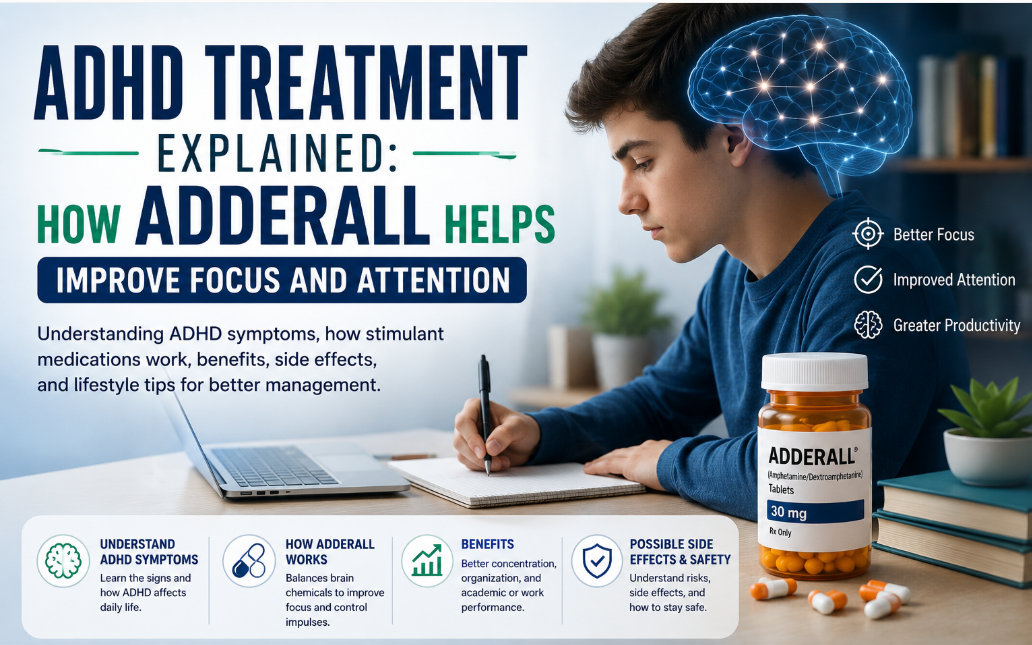
Attention-Deficit/Hyperactivity Disorder (ADHD) is one of the most common neurodevelopmental disorders affecting both children and adults. According to healthcare professionals, millions of people in the United States and Canada live with ADHD, experiencing symptoms that can impact school, work, relationships, and daily life. Fortunately, effective treatment options are available, and prescription medications like Adderall (amphetamine/dextroamphetamine) have helped many individuals improve focus, attention, and impulse control under proper medical supervision.
ADHD is not simply a lack of discipline or motivation. It is a medical condition that affects the brain’s executive functioning, making it difficult to concentrate, stay organized, control impulses, and complete tasks. When combined with behavioral strategies, healthy lifestyle habits, and regular healthcare monitoring, medications such as Adderall may help many patients manage their symptoms and improve their overall quality of life.
In this guide, we’ll explain ADHD symptoms, how stimulant medications work, the benefits of Adderall, possible side effects, treatment monitoring, and lifestyle tips that support long-term ADHD management.
What Is ADHD?
Attention-Deficit/Hyperactivity Disorder (ADHD) is a chronic neurodevelopmental condition that affects how the brain regulates attention, behavior, and self-control. Although ADHD is commonly diagnosed during childhood, many people continue to experience symptoms into adolescence and adulthood.
ADHD affects individuals differently. Some people primarily struggle with inattention, while others experience hyperactivity, impulsivity, or a combination of both. The condition can influence academic performance, workplace productivity, and personal relationships if left untreated.
ADHD is not caused by poor parenting, laziness, or lack of intelligence. Instead, research suggests that genetic, neurological, and environmental factors contribute to its development. A proper diagnosis by a qualified healthcare provider is essential before starting any treatment.
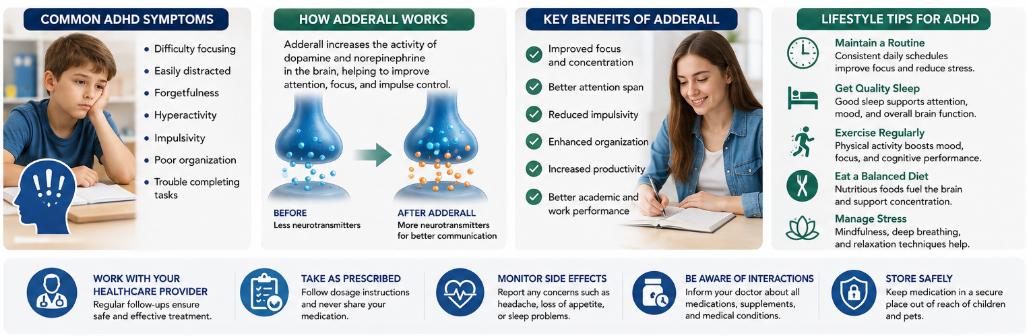
Common Symptoms of ADHD
The symptoms of ADHD vary from person to person and may change over time. Healthcare providers generally classify ADHD into three presentations: predominantly inattentive, predominantly hyperactive-impulsive, or combined presentation.
Inattention Symptoms
People with inattentive ADHD may experience:
- Difficulty staying focused on tasks
- Frequently making careless mistakes
- Easily becoming distracted
- Forgetting appointments or responsibilities
- Losing personal items
- Trouble organizing work or school assignments
- Difficulty following instructions
- Avoiding tasks that require sustained mental effort
- Frequently daydreaming
Hyperactivity Symptoms
Hyperactivity may include:
- Constant fidgeting
- Difficulty remaining seated
- Feeling restless
- Talking excessively
- Difficulty relaxing
- Interrupting others
- Always feeling “on the go”
Impulsivity Symptoms
Impulsive behaviors may include:
- Speaking before thinking
- Interrupting conversations
- Difficulty waiting in line
- Making quick decisions without considering consequences
- Acting without planning
Adults with ADHD may not always appear hyperactive. Instead, they often experience internal restlessness, difficulty managing responsibilities, poor time management, forgetfulness, and trouble maintaining focus during meetings or lengthy tasks.
How ADHD Affects Daily Life
Without appropriate treatment, ADHD symptoms can interfere with many aspects of daily living.
School Performance
Children and teenagers with ADHD may struggle to:
- Complete homework
- Stay focused in class
- Follow instructions
- Organize assignments
- Prepare for tests
- Participate effectively in classroom activities
Workplace Productivity
Adults may experience:
- Missed deadlines
- Difficulty prioritizing tasks
- Trouble concentrating during meetings
- Frequent distractions
- Disorganization
- Lower productivity
Relationships
ADHD can also affect communication and relationships. Forgetfulness, impulsive behavior, and difficulty paying attention during conversations may create misunderstandings with family members, friends, or coworkers.
Understanding Adderall
Adderall is a prescription medication that combines amphetamine and dextroamphetamine, two central nervous system stimulants. It belongs to a class of medications commonly referred to as mixed amphetamine salts.
Healthcare providers prescribe Adderall primarily for:
- Attention-Deficit/Hyperactivity Disorder (ADHD)
- Narcolepsy
Adderall is available in two common formulations:
Adderall Immediate Release (IR)
This version typically begins working within 30 to 60 minutes and may require multiple doses throughout the day, depending on the treatment plan.
Adderall XR (Extended Release)
Adderall XR provides a gradual release of medication, allowing many patients to manage symptoms throughout the day with a single morning dose.
Another related medication is Mydayis, which also contains mixed amphetamine salts but is formulated to provide longer-lasting symptom control for some individuals.
How Adderall Helps Improve Focus and Attention
One of the defining characteristics of ADHD is altered activity of certain brain chemicals, particularly dopamine and norepinephrine. These neurotransmitters play an important role in attention, motivation, memory, and impulse control.
Adderall works by increasing the availability of these neurotransmitters in the brain. As a result, many individuals with ADHD experience improvements in:
- Focus and concentration
- Sustained attention
- Organization
- Working memory
- Impulse control
- Task completion
- Mental alertness
- Productivity
Rather than making someone “smarter,” Adderall helps improve the brain’s ability to regulate attention and behavior in people who have been appropriately diagnosed with ADHD.
Benefits of Adderall for ADHD
When prescribed by a qualified healthcare provider and used as directed, Adderall may offer several benefits, including:
- Improved ability to stay focused on work, school, or daily activities
- Better attention span during conversations and tasks
- Reduced impulsive behavior
- Improved organization and planning
- Increased productivity
- Enhanced academic performance for students
- Better workplace efficiency for adults
- Improved ability to complete long or complex tasks
- Greater confidence in managing everyday responsibilities
Treatment goals vary from person to person, and healthcare providers monitor progress to ensure the medication remains both safe and effective.
Treatment Monitoring: Why Regular Checkups Matter
Managing ADHD is an ongoing process rather than a one-time treatment. After prescribing Adderall, healthcare providers schedule regular follow-up appointments to evaluate how well the medication is working and whether any adjustments are needed.
During these visits, your healthcare provider may assess:
- Improvement in ADHD symptoms
- Ability to focus and complete daily tasks
- School or workplace performance
- Sleep quality
- Appetite and body weight
- Blood pressure and heart rate
- Mood and emotional well-being
- Any side effects or concerns
Children and adolescents may also have their height and weight monitored periodically to ensure healthy growth during long-term treatment.
Regular monitoring helps healthcare providers determine whether the current dose remains appropriate or if another treatment option may be more suitable.
Adderall Dosage Information
Adderall dosage varies depending on several factors, including:
- Age
- Diagnosis
- Severity of symptoms
- Medical history
- Response to treatment
- Other medications being taken
Healthcare providers usually begin with the lowest effective dose and increase it gradually if necessary.
Adderall is available in two formulations:
Immediate-Release (IR)
The immediate-release version generally works for several hours and may require multiple doses during the day depending on your individualized treatment plan.
Extended-Release (Adderall XR)
Adderall XR is designed to release medication gradually, allowing many patients to manage ADHD symptoms with one morning dose.
Always take Adderall exactly as prescribed. Never adjust your dose without consulting your healthcare provider.
Possible Side Effects of Adderall
Like all medications, Adderall may cause side effects. Many people tolerate the medication well, while others experience mild effects that improve over time.
Common Side Effects
Some commonly reported side effects include:
- Decreased appetite
- Dry mouth
- Difficulty sleeping (insomnia)
- Headache
- Nervousness
- Mild anxiety
- Increased heart rate
- Slight increase in blood pressure
- Nausea
- Stomach discomfort
- Weight loss
- Irritability
- Sweating
- Dizziness
Your healthcare provider can recommend strategies to help manage these effects if they occur.
Serious Side Effects
Although less common, some side effects require immediate medical attention.
Seek emergency medical care if you experience:
- Chest pain
- Difficulty breathing
- Fainting
- Severe dizziness
- Seizures
- Hallucinations
- Confusion
- Sudden changes in vision
- Swelling of the face, lips, tongue, or throat
- Signs of an allergic reaction
Patients should contact their healthcare provider promptly if unusual or severe symptoms develop.
Safety Precautions Before Taking Adderall
Before starting treatment, discuss your complete medical history with your healthcare provider.
Be sure to mention if you have:
- Heart disease
- High blood pressure
- Irregular heartbeat
- Thyroid disorders
- Glaucoma
- Liver disease
- Kidney disease
- Anxiety disorders
- Depression
- Bipolar disorder
- Seizure disorders
- History of substance misuse
- Family history of sudden cardiac death
A complete medical evaluation helps determine whether Adderall is appropriate for your individual health needs.
Drug Interactions
Adderall can interact with certain medications, supplements, and herbal products.
Examples include:
- Monoamine oxidase inhibitors (MAOIs)
- Certain antidepressants
- Blood pressure medications
- Decongestants
- Other stimulant medications
- Migraine medications
- Some seizure medications
- Acid-reducing medications
Always tell your healthcare provider and pharmacist about every medication and supplement you take to reduce the risk of potentially harmful interactions.
Healthy Lifestyle Tips That Support ADHD Treatment
Medication works best when combined with healthy daily habits. Lifestyle changes can improve focus, reduce stress, and support long-term symptom management.
1. Maintain a Consistent Routine
Keeping a predictable daily schedule helps many people with ADHD stay organized and reduce distractions.
Try to:
- Wake up at the same time each day.
- Eat meals on a regular schedule.
- Complete important tasks at consistent times.
- Maintain a structured bedtime routine.
2. Prioritize Quality Sleep
Poor sleep can worsen ADHD symptoms such as inattention, irritability, and difficulty concentrating.
Helpful sleep habits include:
- Going to bed at the same time each night.
- Limiting screen time before bed.
- Avoiding caffeine late in the day.
- Creating a quiet, comfortable sleep environment.
Because Adderall is a stimulant, taking it too late in the day may interfere with sleep. Follow your healthcare provider’s instructions regarding dosing times.
3. Eat a Balanced Diet
Nutritious meals provide the energy your brain and body need for daily functioning.
Focus on foods such as:
- Fruits
- Vegetables
- Whole grains
- Lean proteins
- Healthy fats
- Plenty of water
Some people experience reduced appetite while taking Adderall. Your healthcare provider can offer suggestions to help maintain healthy nutrition if needed.
4. Stay Physically Active
Regular exercise supports both physical and mental health.
Physical activity may help:
- Improve mood
- Reduce stress
- Increase concentration
- Improve sleep quality
- Support overall brain health
Aim for regular movement throughout the week based on your healthcare provider’s recommendations.
5. Use Organizational Tools
Many individuals with ADHD benefit from external reminders and planning systems.
Helpful tools include:
- Digital calendars
- Smartphone reminders
- Daily planners
- Task management apps
- Sticky notes
- Checklists
Breaking large projects into smaller, manageable steps can also make tasks feel less overwhelming.
6. Practice Stress Management
Stress may make ADHD symptoms more difficult to manage.
Consider healthy coping strategies such as:
- Deep breathing exercises
- Meditation
- Mindfulness practices
- Yoga
- Spending time outdoors
- Talking with supportive friends or family members
7. Behavioral Therapy
Many patients benefit from behavioral therapy alongside medication.
Behavioral therapy may help individuals:
- Develop better organizational skills
- Improve time management
- Learn coping strategies
- Build healthy routines
- Strengthen communication skills
- Improve emotional regulation
For many patients, combining medication with behavioral therapy provides the greatest long-term benefit.
Long-Term ADHD Management
ADHD is a lifelong condition for many people, but effective treatment can significantly improve daily functioning and quality of life. Successful ADHD management often combines medication, behavioral strategies, education, healthy habits, and regular communication with a healthcare provider.
Your treatment plan may change over time based on your age, lifestyle, work or school demands, and response to medication. Routine follow-up appointments help ensure your treatment remains safe and effective.
Long-term ADHD management may include:
- Regular medical evaluations
- Medication adjustments when needed
- Behavioral or cognitive therapy
- Healthy sleep habits
- Balanced nutrition
- Regular physical activity
- Stress management techniques
- Organizational tools and planning systems
- Support from family, teachers, or employers when appropriate
Every person’s experience with ADHD is unique, and treatment plans should always be individualized.
Adderall vs. Adderall XR: What’s the Difference?
Although Adderall and Adderall XR contain the same active ingredients—amphetamine/dextroamphetamine—they differ in how the medication is released into the body.
| Feature | Adderall (IR) | Adderall XR |
|---|---|---|
| Formulation | Immediate Release | Extended Release |
| Daily Dosing | May require multiple doses | Usually once daily |
| Symptom Coverage | Shorter duration | Longer-lasting coverage |
| Common Use | ADHD, Narcolepsy | ADHD |
Your healthcare provider will recommend the most appropriate formulation based on your symptoms, daily routine, and treatment goals.
When to Contact Your Healthcare Provider
Contact your healthcare provider if you notice:
- ADHD symptoms are not improving.
- Side effects become bothersome or persistent.
- Changes in mood or behavior.
- Difficulty sleeping despite following treatment instructions.
- Significant weight loss or appetite changes.
- Chest pain, shortness of breath, or severe dizziness.
- Any new medical conditions or medications that could affect treatment.
Regular communication helps ensure your treatment remains safe and effective.
Frequently Asked Questions (FAQs)
1. What is ADHD?
ADHD (Attention-Deficit/Hyperactivity Disorder) is a neurodevelopmental condition that affects attention, impulse control, and activity levels. It can occur in both children and adults.
2. How does Adderall help people with ADHD?
Adderall increases the activity of dopamine and norepinephrine in the brain. These neurotransmitters help improve attention, focus, organization, and impulse control in people diagnosed with ADHD.
3. Is Adderall a cure for ADHD?
No. Adderall does not cure ADHD. It helps manage symptoms while the medication is active in the body and is often one part of a broader treatment plan.
4. Can adults take Adderall?
Yes. Adults diagnosed with ADHD may be prescribed Adderall if their healthcare provider determines it is an appropriate treatment option.
5. What are the most common side effects?
Common side effects may include:
- Dry mouth
- Reduced appetite
- Difficulty sleeping
- Headache
- Increased heart rate
- Mild anxiety
- Weight loss
Always discuss persistent or concerning side effects with your healthcare provider.
6. Can Adderall be taken every day?
Some patients take Adderall daily according to their prescribed treatment plan. Follow your healthcare provider’s instructions regarding dosage and scheduling.
7. Is Adderall safe?
When prescribed appropriately and monitored regularly by a qualified healthcare provider, Adderall can be an effective treatment for eligible patients. It should always be taken exactly as prescribed.
8. Can lifestyle changes improve ADHD symptoms?
Yes. Healthy habits such as regular exercise, quality sleep, balanced nutrition, stress management, and behavioral therapy can complement medication and support overall ADHD management.
9. Who should not take Adderall?
Adderall may not be appropriate for people with certain heart conditions, uncontrolled high blood pressure, glaucoma, hyperthyroidism, or a history of specific medical conditions. A healthcare provider will evaluate whether it is suitable for you.
10. Why are regular follow-up appointments important?
Routine follow-up appointments allow healthcare providers to monitor symptom improvement, adjust dosage if needed, check for side effects, and ensure the treatment continues to meet your healthcare needs.
Conclusion
Attention-Deficit/Hyperactivity Disorder (ADHD) is a common condition that can affect concentration, organization, impulse control, and daily productivity. While ADHD may present challenges, effective treatment options are available to help individuals manage symptoms and improve their quality of life.
Adderall (amphetamine/dextroamphetamine) is a prescription stimulant approved for the treatment of ADHD and narcolepsy. By increasing the availability of dopamine and norepinephrine in the brain, it can help improve focus, attention, and self-control when used under the guidance of a qualified healthcare provider.
Medication works best as part of a comprehensive treatment plan that may also include behavioral therapy, healthy lifestyle habits, organizational strategies, and regular medical monitoring. Patients should always take Adderall exactly as prescribed, avoid sharing medication, and attend routine follow-up appointments.
If you or a loved one is living with ADHD, consult a licensed healthcare provider to discuss the most appropriate treatment options based on your individual medical history and needs. Staying informed and actively participating in your treatment plan can help support long-term success.